The Algorithm Myth: What Actually Determines Reach in 2026
Introduction
“Instagram killed my reach.”
“LinkedIn’s algorithm is against me.”
“Facebook only wants paid ads now.”
In 2026, businesses everywhere are blaming “the algorithm” for poor performance online but the truth is more uncomfortable:
Most businesses don’t actually understand what social platforms are optimizing for.
The algorithm is not randomly punishing you.
It’s rewarding behavior that keeps users on the platform longer.
That changes everything.
At African Business Solutions Provider (ABSP), we’ve worked with brands that doubled engagement and significantly increased leads not because they “beat the algorithm,” but because they finally understood what platforms truly prioritize.
In Africa’s rapidly growing digital economy, businesses that understand platform psychology will outperform those simply chasing trends.
The Biggest Myth About Algorithms
Most people think algorithms exist to distribute content fairly. They don’t.
Social media platforms are businesses. Their goal is simple:
Keep users scrolling, watching, interacting, and returning.
Why?
Because more user attention means:
- More ad revenue
- More platform growth
- More data
- More monetization opportunities
That means your content only succeeds when it helps the platform achieve its goals.
The algorithm is not emotional.
It’s behavioral.
What Actually Determines Reach in 2026
1. Retention Time (The New King)
In 2026, retention matters more than followers.
Platforms now heavily prioritize:
- Watch time
- Read time
- Scroll stopping
- Completion rate
- Session continuation
If people pause on your content, consume it deeply, or stay on the app longer afterward, the platform sees your content as valuable.
Example:
A post with:
- 20 comments
- High read time
- Strong saves
- Multiple rewatches
…will often outperform a post with:
- 1,000 likes
- Low watch duration
- Quick scrolling
Why This Matters for Businesses
Most brands still optimize for vanity metrics instead of attention quality.
The result?
Content gets visibility but not business impact.
2. Meaningful Interactions Over Passive Engagement
Likes matter less than conversations.
Platforms now prioritize:
- Comments
- Shares
- Saves
- DMs triggered by content
- Profile visits
- Community discussions
According to Meta’s and LinkedIn’s evolving recommendation systems, content that sparks active interaction is considered more valuable than passive consumption.
This is why controversial opinions, storytelling, and emotionally resonant posts perform better than generic corporate content.
3. Consistency Builds Trust Signals
Algorithms now track creator reliability.
Posting consistently tells platforms:
- You’re active
- You’re predictable
- Users can expect ongoing value
Businesses that disappear for weeks lose algorithmic momentum quickly.
But consistency does NOT mean posting daily low-quality content.
It means:
- Consistent value
- Consistent positioning
- Consistent audience relevance
At ABSP, one of the biggest problems we see is businesses posting randomly without strategic consistency then blaming the algorithm for weak results.
4. Content Relevance Beats Follower Count
In 2026, platforms increasingly distribute content based on audience relevance rather than follower size.
That means a small business with highly relevant content can outperform a much larger competitor.
Algorithms analyze:
- User interests
- Previous engagement patterns
- Watch behavior
- Topic clusters
- Search intent
This shift is especially important for African SMEs because it creates opportunity.
You no longer need massive budgets to compete.
You need strategic relevance.
5. Search Is Becoming More Important Than Virality
Social media is evolving into a search engine.
People now search platforms for:
- Business recommendations
- Tutorials
- Product reviews
- Industry advice
- Local services
TikTok, LinkedIn, Instagram, and YouTube increasingly prioritize searchable content.
This means businesses must optimize for:
- Keywords
- Clear titles
- Valuable educational content
- Audience intent
The brands winning in 2026 are not just entertaining audiences.
They’re answering questions.
Why Many African Businesses Struggle With Reach
Across Africa, many businesses still approach social media with outdated assumptions:
-Posting without strategy
-Focusing only on likes
-Treating platforms like digital billboards
-Prioritizing quantity over quality
-Ignoring analytics and audience behavior
Meanwhile, consumer behavior is evolving rapidly.
African audiences are becoming:
- More digitally aware
- More selective
- More community-driven
- More value-conscious
Businesses that fail to adapt risk becoming invisible online.
The Real Goal Isn’t Reach, It’s Resonance
Reach without trust means very little.
A post can go viral and still generate zero customers.
The businesses growing online in 2026 understand something critical: Content is no longer about broadcasting, it’s about building relationships at scale.
At ABSP, we help businesses move beyond vanity metrics by focusing on:
- Strategic storytelling
- Audience psychology
- Content positioning
- Conversion-focused digital strategies
- Data-driven engagement analysis
Because visibility alone doesn’t grow businesses.
Connection does.
What Businesses Should Focus on Instead
Stop Chasing the Algorithm.
Start Understanding Human Behavior.
Ask:
- What makes people stop scrolling?
- What emotions trigger interaction?
- What problems does my audience urgently care about?
- What makes people trust a brand online?
The algorithm simply amplifies human behavior.
Practical 2026 Strategy for Better Reach
1. Create Strong Hooks
The first 3 seconds or first sentence matter most.
2. Prioritize Watch Time & Read Time
Keep audiences engaged longer through storytelling and curiosity.
3. Create Saveable Content
Educational, actionable posts perform better long-term.
4. Encourage Conversations
Ask thoughtful questions and create discussion points.
5. Analyze Behavior — Not Vanity Metrics
Track:
- Retention
- Shares
- Website clicks
- Conversion rates
- Leads generated
ABSP Perspective: Strategy Is the New Competitive Advantage
The businesses winning online are not necessarily posting more.
They simply understand:
- Audience psychology
- Platform behavior
- Digital storytelling
- Strategic positioning
In Africa’s competitive digital economy, the real divide is no longer:
Businesses with technology vs businesses without technology.
It’s:
Businesses with strategy vs businesses without strategy.
Final Thoughts
The algorithm is not your enemy.
It’s a mirror reflecting what audiences truly value.
In 2026:
- Attention is currency
- Retention is power
- Trust is the real growth metric
Businesses that understand this will dominate digital spaces.
Businesses chasing shortcuts will continue struggling for visibility.
The future belongs to brands that create meaningful digital experiences not just content.
Recent Posts
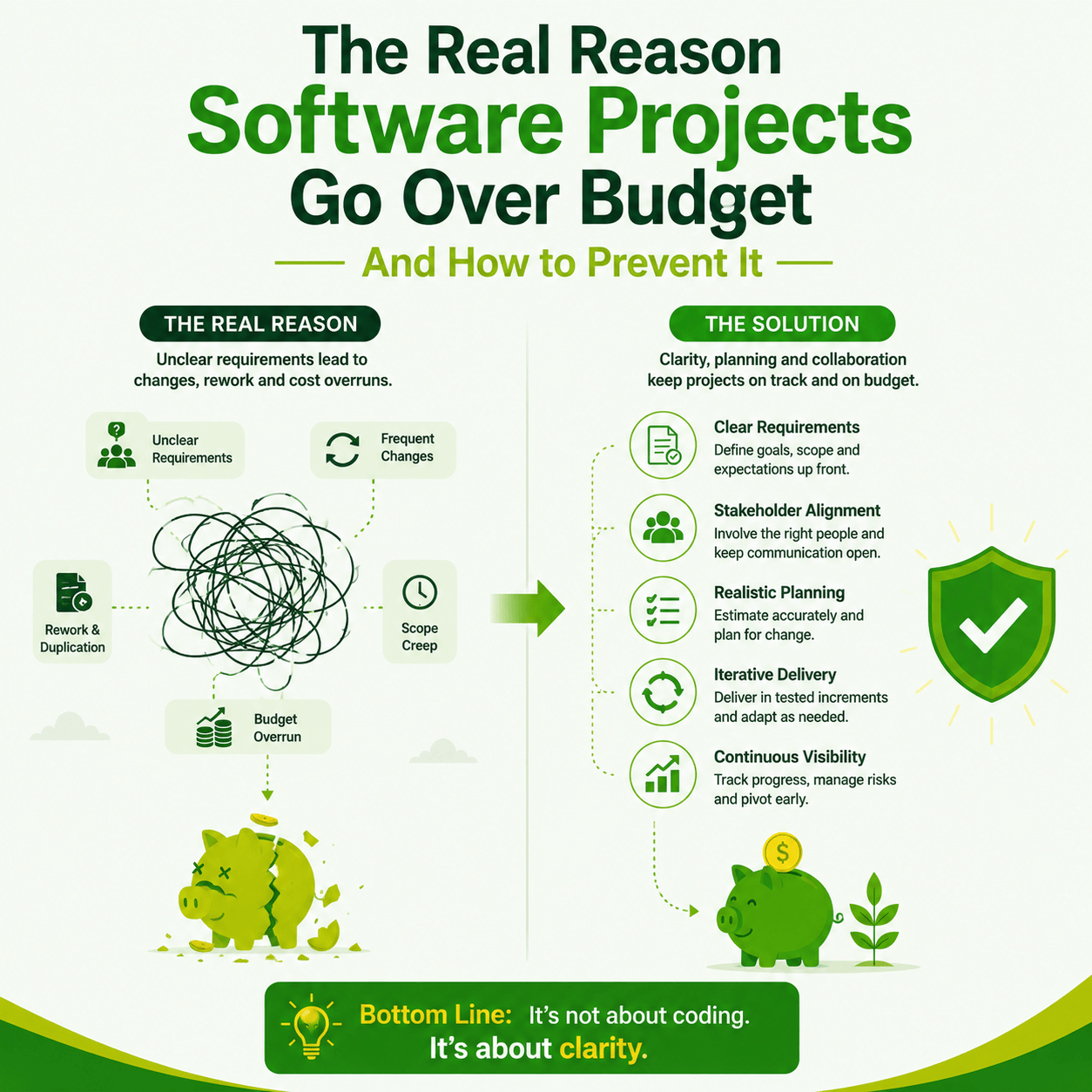
Most software projects don't go over budget because of bad developers, they go over budget because of poor planning, unclear communication, and uncont...
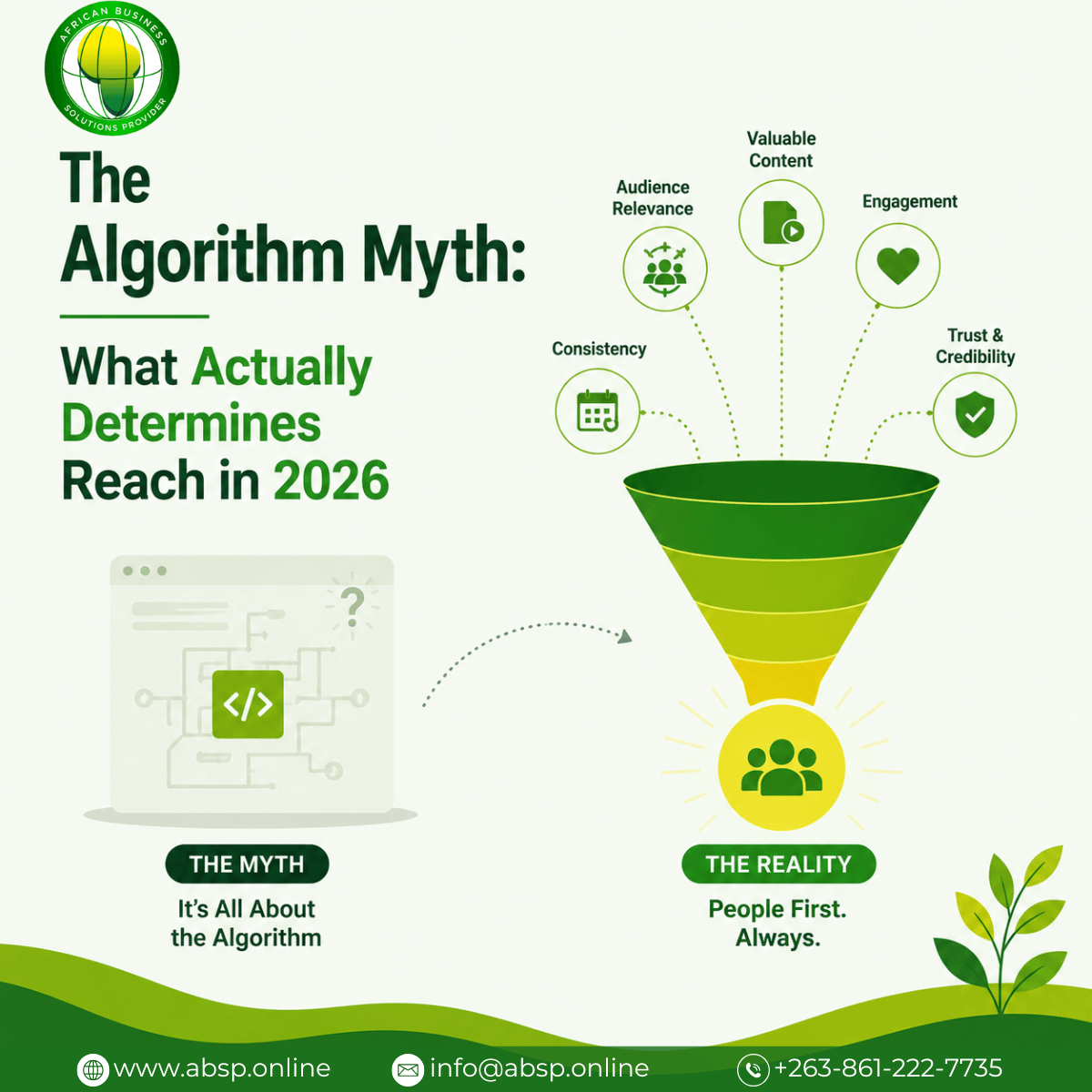
Most businesses don’t actually understand what social platforms are optimizing for.
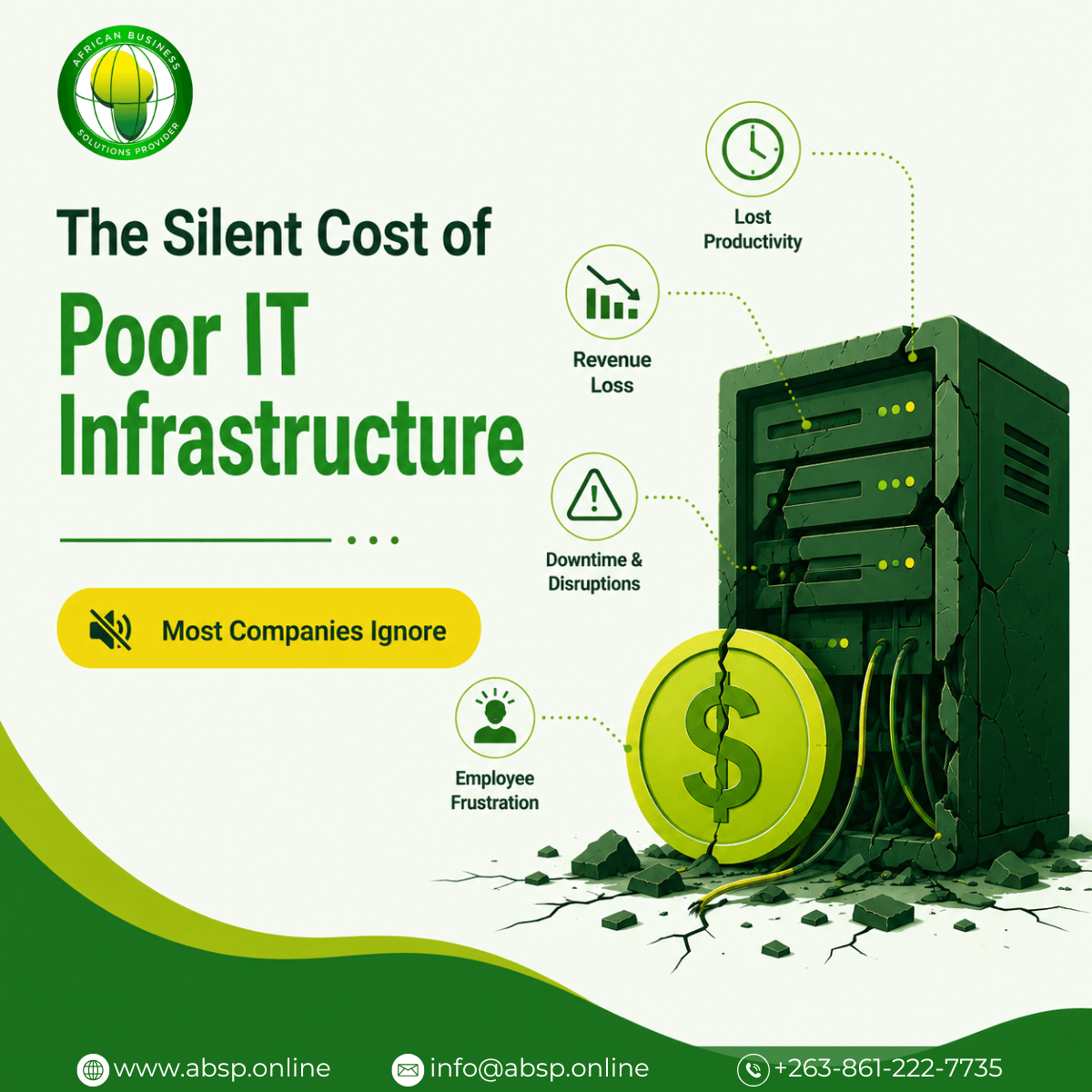
Most businesses don’t notice poor IT infrastructure until it starts costing them money.
Comments
John Doe
January 26 2021
Lorem ipsum dolor sit amet, consectetur adipisicing elit. Architecto aspernatur cupiditate dolore laudantium magni maiore minus odit optio perspiciatis qui, rem sit unde? Aliquid dolor, eaque eligendi minus quis sequi?
John Doe
January 26 2021
Lorem ipsum dolor sit amet, consectetur adipisicing elit. Architecto aspernatur cupiditate dolore laudantium magni maiore minus odit optio perspiciatis qui, rem sit unde? Aliquid dolor, eaque eligendi minus quis sequi?